Silent Meditation
Silent Meditation Quickly Became a Lifeline
Meditation is a valuable habit that I have incorporated into my life for many years. I mainly practice silent meditation, which I find to be the most effective and profound form of meditation.
I was first introduced to this ancient practice while traveling in Japan. At the time, I was overwhelmed by the pressures of starting my first business. My anxiety was high, especially at night when my mind was racing with worry.
It was during this challenging period that I was introduced to silent meditation, which quickly became a lifeline. I realized that this practice was more than just a temporary escape; it was a powerful tool for neutralizing both external and internal stressors. Mastering the ability to quiet the mind is a valuable skill that can ease the burdens of life, even in its most daunting chapters.
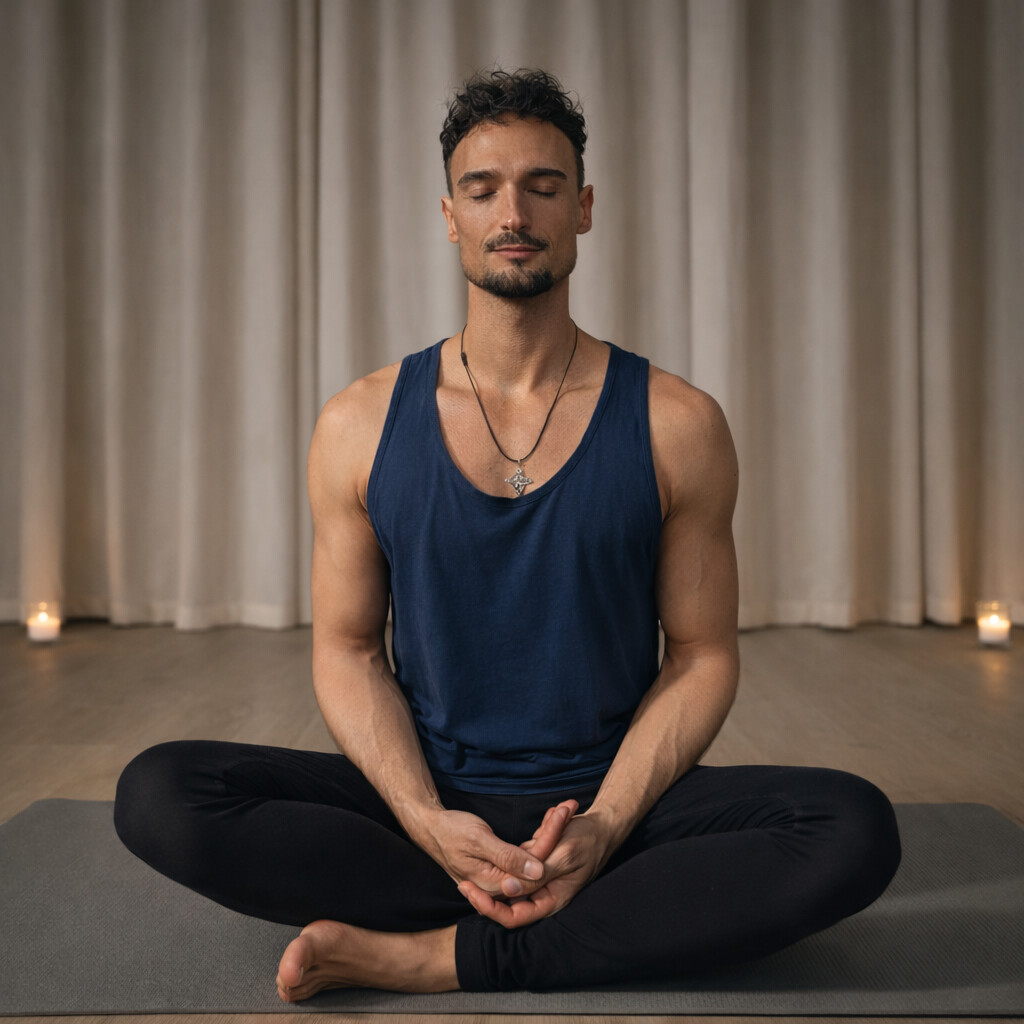
Photo Strasbourg (F) Ⓒ Philipp Mutschler 2024
Quiet the Senses & Silence the Mind
The core principle of silent meditation is simple. Quiet the five main senses and silence the mind for a period of time. This practice allows the mind to enter a neutral state, free from the constant chatter of thoughts and the data streams provided by our senses. In this state, fears and worries lose their grip and a deep sense of calm takes over. The mind, like an overworked muscle, is given a chance to rest and recover, leaving it refreshed and ready to engage with the world anew.
My meditation routine is as follows: I sit upright on my zafu in a completely darkened room, with my eyes closed and earplugs to block out noise. My focus then shifts to my breath, which serves as an anchor to distract the mind from processing thoughts. I begin by inhaling through my nose and exhaling through my mouth, then switch to shallow, inaudible mouth breathing with minimal oxygen intake. This technique helps the mind transition more easily into its neutral state.
What Feels Like 2-5 Minutes Often Turns Out to Be 30
I practice this routine for 30 minutes every day. Interestingly, the perception of time changes during deep meditation. What feels like 2-5 minutes often turns out to be 30. I compare this to rebooting a computer. No data is processed while the computer is powered off, which explains the perceived loss of time.
© Philipp, 24 July 2024